
Across California’s urban cores and growing secondary markets, some of the most promising development opportunities are also the most misunderstood. Infill parcels squeezed between existing buildings, former industrial sites with environmental history, oddly shaped lots, or properties burdened by access, zoning, or infrastructure challenges are often dismissed early in underwriting.
Not because they lack potential.
But because financing them feels complicated.
In reality, many of these “difficult” sites offer stronger margins, less competition, and significant upside for developers willing to move beyond conventional loan assumptions. The key is not forcing traditional financing onto unconventional projects, but instead matching the capital stack to the realities of the site.
When structured thoughtfully, creative financing becomes a powerful tool for turning constraints into competitive advantage.
Why Complex Sites Often Hold the Best Opportunities
Difficult parcels are frequently priced at discounts because fewer buyers pursue them. Environmental concerns, entitlement complexity, irregular layouts, or infrastructure requirements scare off risk averse capital.
Yet once those challenges are addressed, these sites often sit in high demand locations with limited new supply potential.
Developers who specialize in solving complexity routinely find that:
• Land basis is lower than prime shovel ready sites
• Competition is dramatically reduced
• Municipalities are often supportive of redevelopment
• Finished product commands premium rents or sales
The hurdle is not feasibility. It‘s capital structure.
Traditional lenders typically prefer clean, predictable projects. When a site falls outside standard underwriting boxes, many developers assume financing will be impossible or prohibitively expensive.
That assumption leaves opportunity on the table.
Infill and Irregular Urban Parcels
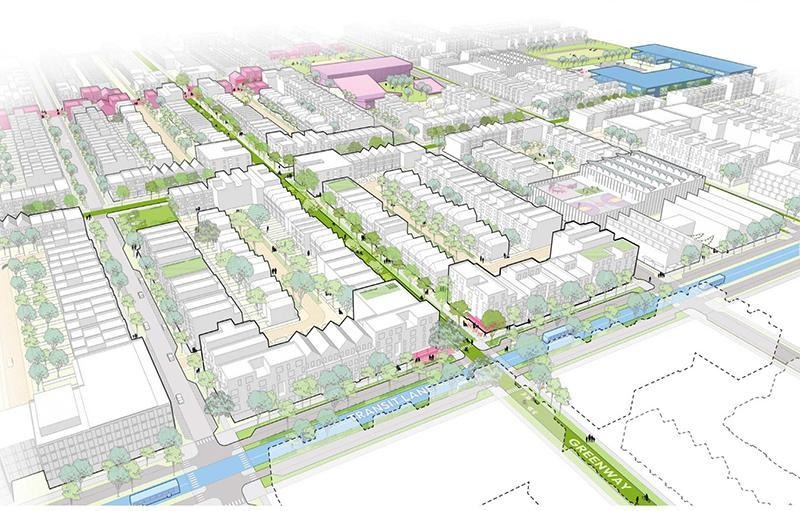
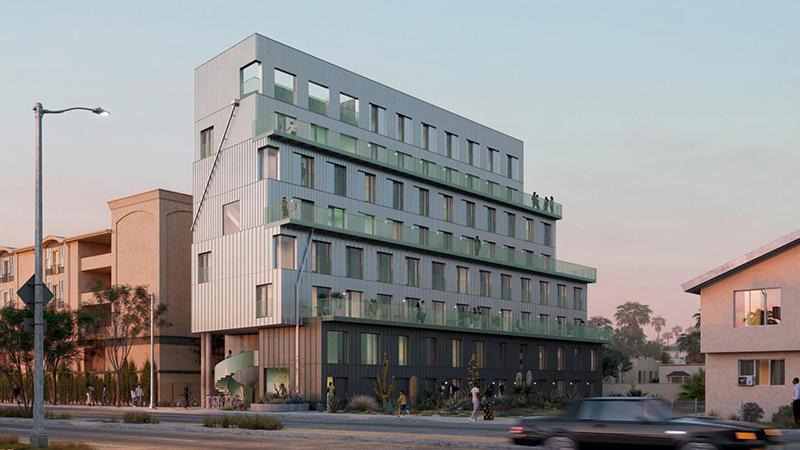
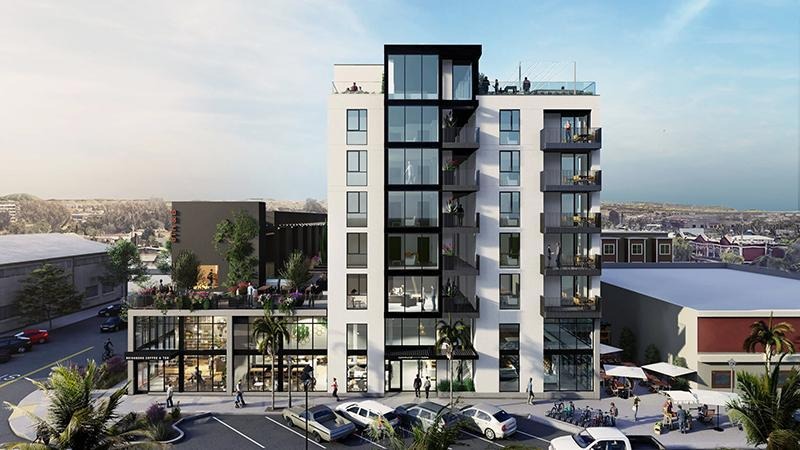
Infill sites often come with challenges such as tight construction staging, limited parking, easements, shared walls, or zoning overlays. From a financing standpoint, lenders may apply conservative leverage or avoid them altogether.
This is where niche bridge financing and structured capital come into play.
Short term bridge loans can:
• Fund acquisitions quickly before full entitlements
• Cover early construction and site work
• Allow time for zoning adjustments or variances
• Refinance into permanent debt once stabilized
Developers can secure control of prime urban land without waiting months for conventional approvals.
Layering mezzanine debt behind senior bridge loans can further boost leverage while preserving equity. While the blended cost of capital may be higher initially, the overall project returns often justify it, especially when land is acquired at a discount.
In many cases, speed and certainty of execution matter far more than chasing the lowest interest rate.
Brownfield and Environmentally Constrained Properties
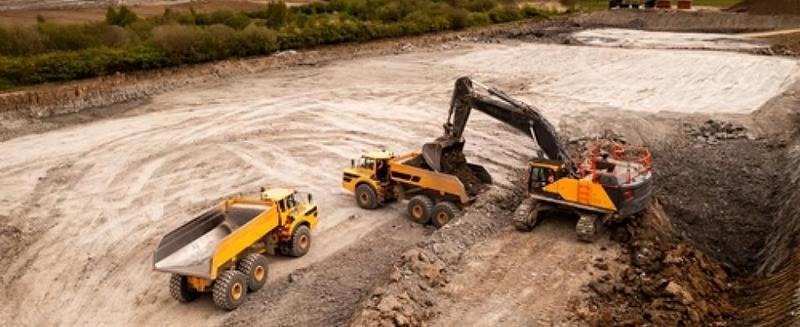
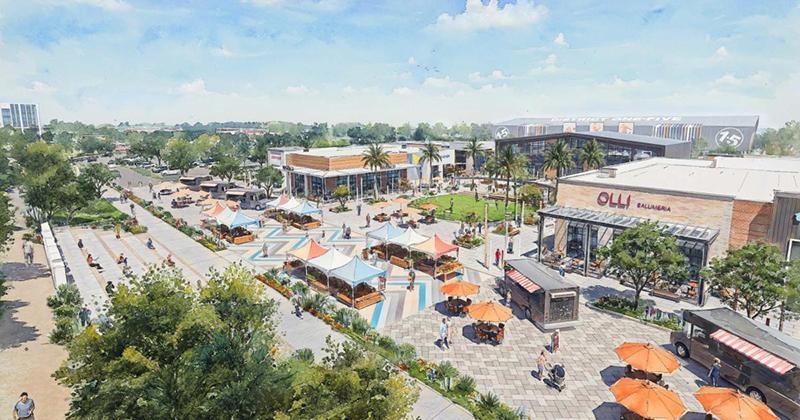
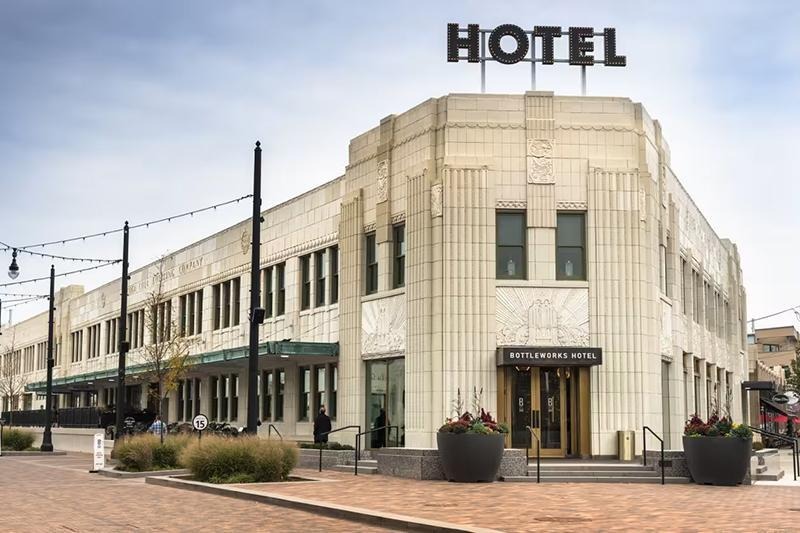
Former industrial sites, warehouses, gas stations, or manufacturing facilities can present environmental remediation requirements that traditional lenders are hesitant to underwrite.
Yet these properties often sit in prime growth corridors with massive redevelopment potential.
Creative financing structures commonly used here include:
Bridge capital with remediation reserves
Loans that include dedicated cleanup budgets built into the capital stack.
Structured equity partnerships
Investors participate in upside while sharing entitlement and remediation risk.
Phased funding structures
Capital is released as environmental milestones are achieved.
These approaches allow developers to address contamination issues without front loading massive amounts of equity.
Once remediation is complete and entitlements are secured, projects frequently qualify for far more attractive permanent financing, unlocking significant value.
Many of California’s most successful urban redevelopments started on land most investors initially avoided.
The Power of Mezzanine Debt and Structured Equity
Mezzanine debt sits between senior loans and developer equity. It carries higher returns for lenders but allows developers to increase leverage without giving up full ownership control.
For complex sites, mezzanine financing can:
• Reduce required equity contributions
• Improve internal rates of return
• Fund entitlement risk phases
• Preserve capital for multiple projects
Structured equity, on the other hand, allows Family Offices, private investors, or specialty funds to participate in project upside in exchange for capital, often with preferred returns and negotiated exit waterfalls.
This can be especially useful for:
• High entitlement risk projects
• Large scale repositionings
• Long timeline developments
• Capital intensive remediation sites
Rather than stretching balance sheets thin, developers bring in aligned partners who understand complexity and share in the upside created.
Reframing the Cost of Capital Conversation
One of the biggest mistakes developers make is focusing solely on interest rates instead of total project profitability.
Yes, creative financing often carries higher headline costs.
But it also enables:
• Lower land acquisition prices
• Faster deal execution
• Higher leverage
• Access to deals others cannot pursue
When viewed holistically, these structures frequently deliver stronger overall returns than cheaper debt on hyper competitive sites with compressed margins.
Complexity becomes the moat.
Why Many Developers Miss These Opportunities
The hesitation usually stems from assumptions:
“That site will never get financed.”
“Lenders won’t touch environmental issues.”
“Mezzanine debt is too expensive.”
“Equity partners will take too much upside.”
In practice, when projects are structured intelligently, these concerns are often manageable or outright unfounded.
The developers who consistently outperform are those who explore options before walking away.
They treat financing as a strategic tool, not a constraint.
Turning Challenges Into Competitive Advantage
California’s development landscape is only becoming more competitive. Prime sites are scarce, capital is crowded, and margins are tightening.
Difficult sites, once viewed as obstacles, are increasingly where the strongest opportunities live.
By embracing mezzanine debt, structured equity, and niche bridge financing, developers can unlock parcels others avoid, control risk intelligently, and create value long before stabilization.
The most successful projects rarely start as the easiest ones.
They start as the ones where creativity, experience, and smart capital structure transform complexity into opportunity.
And in today’s market, that approach is not just innovative. It is essential for continued growth and long term success.