
For years, multifamily development in California has been driven by one dominant metric: density. More units per acre. More efficiency per square foot. More yield per project. In a state where land costs are high, entitlement timelines are long, and construction pricing rarely moves in your favor, squeezing productivity out of every inch has felt like the only rational strategy.
But density alone does not build durable income. Community does.
Across California’s most competitive submarkets, a quiet shift is underway. The developers achieving stronger lease-up velocity, higher retention, and measurable rent premiums are investing in what can best be described as social infrastructure. Not just amenities, but spaces designed to create interaction, productivity, and personal growth within the building itself.
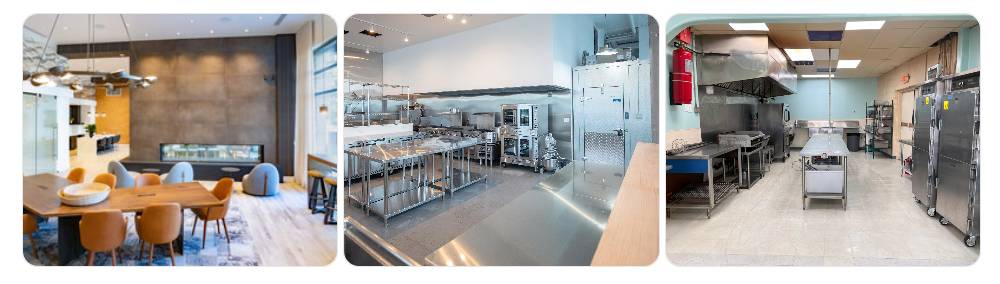
Co-working lounges. Maker spaces. Shared commercial kitchens. Resident classrooms. These are not lifestyle flourishes. When designed and operated strategically, they are economic engines.
The Rent Premium Is Rooted in Utility
In markets like Los Angeles, San Diego, and the Bay Area, renters are highly sensitive to value. The last few years have made that clear. Concessions, competitive lease-up packages, and increased supply in certain corridors have forced sharper positioning.
What separates a property that competes on price from one that commands a premium is perceived utility.
A co-working space that genuinely replaces a daily commute offers direct financial value to a tenant. A shared kitchen that allows food entrepreneurs to test concepts legally and affordably creates income opportunity. A resident education room hosting financial literacy classes, coding workshops, or small business meetups becomes more than square footage. It becomes leverage.
When tenants see these spaces as tools rather than décor, they are far more willing to absorb incremental rent. In California’s urban cores, that premium can range from 3 to 7 percent, depending on submarket and execution quality.
Retention Is Where the Real Economics Live
Lease-up success is visible. Retention is where the balance sheet benefits compound.
Turnover in California multifamily assets can easily cost 1.5 to 2 times one month’s rent when you account for vacancy, make-ready costs, marketing, and concessions. In high-rent markets, that number becomes significant quickly.
Developers who invest in meaningful shared spaces often see retention improvements of 5 to 10 percent annually. Why? Because these spaces create embedded routines.
A remote worker who uses the co-working lounge three days a week is less likely to relocate casually. A resident who teaches a monthly photography class in the education room has formed social ties. A small-scale caterer operating from the shared kitchen has economic dependency tied to the property.
Community, when structured around functionality, creates friction to move. That friction translates into predictable cash flow.
California’s Workforce Reality Makes This Even More Relevant
The remote and hybrid work shift is not reversing in California. Tech corridors in the Bay Area. Creative and digital industries in Los Angeles. Biotech and research clusters in San Diego. A large percentage of tenants are no longer tethered to traditional office environments five days a week.
Properties that provide productive environments inside the asset itself are aligning with this structural shift. Not every tenant will use a pool daily. But a well-designed co-working space with private call rooms, reliable Wi-Fi infrastructure, and ergonomic furniture meets a consistent weekly need.
Similarly, maker spaces appeal to a growing segment of entrepreneurial residents. California remains one of the strongest small business ecosystems in the country. Providing basic fabrication tools, workbenches, and storage lockers supports side businesses and creative pursuits. It also signals that the building understands its demographic.
The shared commercial kitchen is particularly powerful in urban submarkets. Cottage food laws and micro-entrepreneurship are expanding. A code-compliant, reservable kitchen allows residents to test products, host pop-up dinners, or scale catering operations without leasing external space. That utility directly supports income generation.
Execution Matters More Than Square Footage
There is a real difference between checking an amenity box and building usable infrastructure.
A 3,000 square foot lounge that feels like a hotel lobby will not drive the same economic return as a 1,500 square foot space intentionally programmed with work zones, reservable conference rooms, and acoustic separation.
The same applies to maker spaces and kitchens. Without clear policies, reservation systems, and modest oversight, these areas can become underutilized or mismanaged. The most successful properties treat social infrastructure as an operational component, not a design afterthought.
That means budgeting for programming. Partnering with local instructors. Hosting resident workshops. Curating events that are relevant to the tenant base. In California, that might include small business compliance seminars, sustainable living workshops, or tech meetups.
The Cap Rate Conversation
From a valuation perspective, stabilized assets demonstrating lower turnover and modest rent premiums benefit from stronger net operating income performance. Even small improvements in effective gross income have outsized effects when capitalized.
In tighter lending environments, assets with durable occupancy trends and demonstrable community engagement metrics also present stronger underwriting narratives. Lenders increasingly examine qualitative factors when assessing risk, especially in submarkets experiencing supply pressure.
A property that can show consistent occupancy above submarket averages, coupled with documented amenity utilization, presents a more resilient income profile.
This Is Not About Luxury. It Is About Resilience.
There is a misconception that social infrastructure equals high-end positioning. That is not necessarily true. In workforce housing projects, especially near transit corridors, co-working spaces and education rooms may be even more valuable.
For residents balancing multiple jobs or pursuing certifications, accessible shared space removes barriers. That fosters loyalty. In mixed-income developments, it can also strengthen social cohesion, which reduces friction and management challenges over time.
The economics ultimately revolve around three pillars: incremental rent potential, retention improvement, and enhanced asset stability.
Looking Ahead
California’s development landscape is not getting easier. Construction costs remain elevated. Entitlement risk persists. Capital markets move in cycles that rarely align perfectly with project timelines.
In that environment, relying solely on density to drive returns leaves margin exposed.
Thoughtfully integrated social infrastructure offers a strategic hedge. It deepens tenant attachment. It supports modern work patterns. It enhances income durability. Most importantly, it aligns the property with how people actually live and earn in today’s California economy.
Developers who treat these spaces as revenue-supporting assets rather than decorative amenities are positioning their projects for long-term resilience. In competitive submarkets, that edge compounds quietly but meaningfully over time.
Beyond density lies something more durable: community built with economic intent.